

5 Tips For Finding The Perfect Shoe Fit

Ever slipped on a pair of shoes that looked amazing, only to find yourself hobbling home with blisters or sore arches? We’ve all been there. The truth is, the perfect shoe fit isn’t just about comfort; it’s about confidence, style, and taking care of your feet for the long run. The right pair won’t just stop those pesky blisters from forming, it’ll also support your posture, keep your stride light, and help you feel good on your feet all day long.
Whether you’re shopping online and battling with inconsistent sizing charts, or standing in-store unsure between two sizes, finding the perfect fit can feel tricky. That’s why we’ve put together our top five shoe fitting tips (plus a bonus one!) to help you nail it every time.
Why Shoe Fit Matters
Shoes are the foundation for your whole body. A bad fit can cause more than a little discomfort. Think blisters, bunions, and black toenails for starters. Over time, ill-fitting shoes can also affect your posture and even trigger back, hip, or knee pain. On the flip side, the right fit means happier feet, fewer injuries, and way more confidence in every step.
Want to go deeper into the science of comfy feet? Check out our blog on foot health and comfort technology.
Tip 1: Measure Your Feet Correctly
Here’s the thing: most of us think we know our proper shoe size, but chances are it’s changed since the last time we measured. Age, pregnancy, weight changes, and even just time can alter the size and shape of your feet. If you haven’t measured yours in years, you might be buying the wrong size without even realising it.
Good news: it’s easy to learn how to measure for your shoe size. You just need a piece of paper, a ruler or tape measure, and about five minutes. We’ve got a full step-by-step guide here: How to measure your shoe size at home.
Use A Ruler Or Measuring Tape
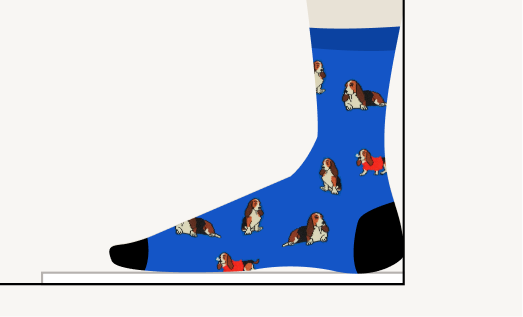
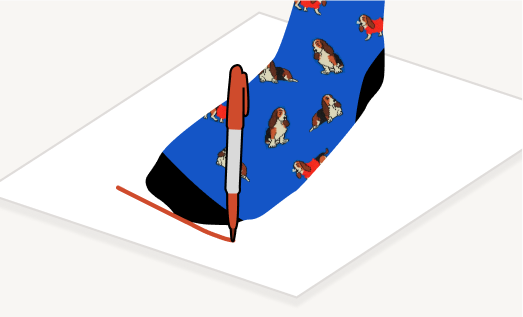
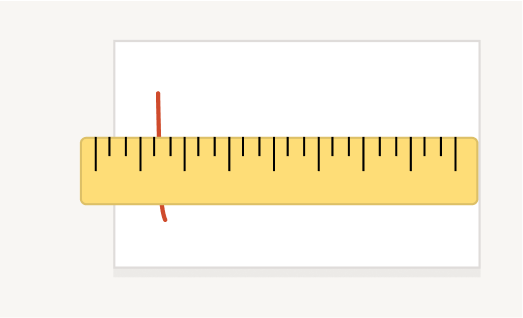
Place your foot on a piece of paper, trace around it, and measure from your longest toe to your heel for length. Then, measure the widest part of your foot for width.
Measure Both Feet
Here’s a fun fact: most people have one foot that’s slightly bigger than the other. Always go with the larger measurement. That way, you won’t be squeezing your bigger foot into a too-small shoe.
Update Measurements Regularly
Don’t assume your shoe size is forever. Recheck every 6–12 months so you’re always working with your most accurate measurements.
Tip 2: Consider Width AND Length
When it comes to shoe dimensions, length isn’t the only star of the show. Width plays just as big a role in comfort. Too narrow, and you’ll feel pinching or pressure. Too wide, and your foot will slip and slide.
Know The Common Width Sizes
Shoes often come in different width options:
-
N (Narrow) – slimmer fit, great if you’ve got narrow feet.
-
M (Medium) – the standard width most people wear.
-
W (Wide) – extra room across the ball of your foot.
-
EW (Extra-Wide) – even more generous, perfect if you’ve got broader feet.
Watch Out For Pinching Or Pressure
If your shoes leave marks on your skin or you feel tightness around the sides of your feet, they’re probably too narrow. On the flip side, if your foot feels unstable or your heel slips out, the shoe’s too wide.
Brands Offering Wide/Narrow Options
Not every brand caters for width options, which is why it’s worth sticking to ones that do. (Spoiler: Hush Puppies does, because we’re all about all-day comfort for all kinds of feet.)
Tip 3: Try Shoes On Later In The Day
Feet aren’t static—they swell as the day goes on. That means the shoes that feel perfect in the morning might feel tight and uncomfortable by dinnertime.
Account For Swelling
That’s why the evening is the best time to try on new shoes. You’ll get the truest sense of how they’ll feel during a full day of wear.
Wear The Right Socks
Match your socks to the shoes you’re buying. Shopping for sneakers? Try them on with your sports socks. Hunting for dress shoes? Go with your thinner, formal socks.
Don’t Rush The Try-On
Once you’ve laced or buckled up, walk around for at least 5–10 minutes. Bend, stretch, and move like you normally would. If they’re uncomfortable now, they won’t magically get better later.
Tip 4: Walk Around Before Buying
Whether you’re in-store or trying on at home after an online order, give your shoes a proper test drive. A quick glance in the mirror won’t cut it.
Check Heel Fit
Your heel should feel secure, not slipping out with every step. A little movement is fine, but a lot means blisters are in your future.
Ensure Enough Toe Room
Use the “thumb’s width” rule: there should be about a thumb’s worth of space between your longest toe and the front of the shoe. Too much space, and your foot will slide; too little, and you’ll end up with sore toes.
Test Arch Support
Good shoes should support your natural foot alignment. If you feel like your arches are collapsing or straining, keep looking.
Want to test in person? Find your nearest store with our handy store locator.
Tip 5: Check Return & Exchange Policies
Let’s be real—shopping for shoes online is super convenient, but sometimes the fit just isn’t right. That’s why a solid return and exchange policy is your best friend.
Look For Easy Returns
Choose retailers that offer free or low-cost returns. It takes the stress out of guessing your size.
Understand Exchange Windows
Most stores have a 14–30 day window for returns or exchanges. Know the time limit before you buy so you don’t get caught out.
Keep Shoes In Returnable Condition
Until you’re sure they’re a keeper, test your new shoes indoors. That way, if you do need to return them, they’ll still be in mint condition.
Bonus Tip: Read Product Reviews
Reviews are a goldmine for fit advice. Real customers will often mention if a shoe “runs small,” “fits true to size,” or “feels roomy.” Reading a handful before you buy can save you a lot of guesswork—and possibly some sore toes.
Additional Shopping Tips
-
Wear the right socks or insoles when trying on shoes to mimic real-world wear.
-
Different styles fit differently. Your sneaker size might not match your boot or dress shoe size.
-
Keep a fit diary. Note down which brands and models fit you best so you have a go-to for future purchases.
Shoe fitting doesn’t have to be a guessing game. With the right measurements, a little patience, and some smart shopping habits, you can step out in shoes that feel as good as they look. And once you’ve nailed your fit, you’ll notice the difference—better comfort, better posture, and way more confidence in every stride.
Related Articles
View All
Father's Day Gift Guide
Because Dad deserves a touch of comfort.

Gift Guide: Perfect Shoes for Every Kind of Mum
Mums do a lot, often without asking for anything back. Mother’s Day is a chance to give something that feels just as thoughtful in return.

Trending Now: Studded Shoes
Discover why studded shoes are back in style and learn how to style studded shoes for work, weekends and nights out.

How to Measure Your Shoe Size at Home to Find the Perfect Fit
Buying shoes online can feel like a gamble. In this guide, we’ll walk you through a few simple steps so you can find your perfect fit, without leaving home.